Aiptasia

1. 🏷️ Name & Classification

  • Common Names: Glass Anemone, Rock Anemone, Tube Anemone

  • Scientific Name: Aiptasia spp. (notably Aiptasia pallida, Aiptasia pulchella)

  • Type: Cnidarian (Anthozoa), Invertebrate Pest

2. 🔎 Appearance (Description, Color, Shape, Size)

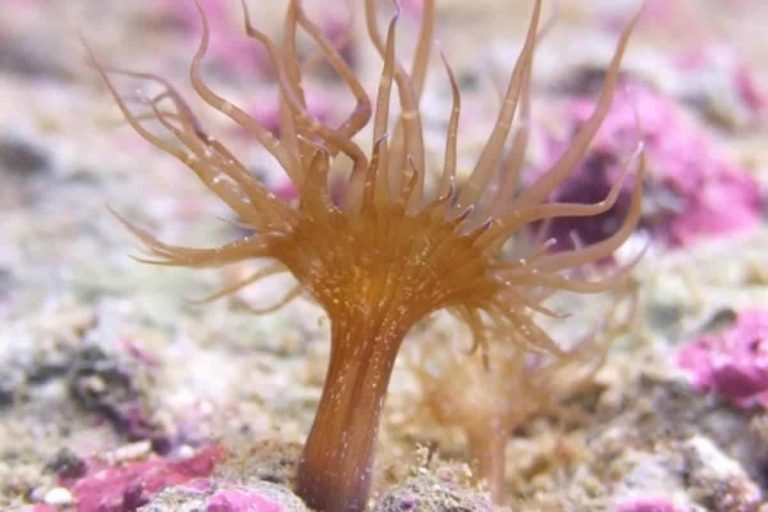
  • Description: Semi-transparent to brownish anemone with long, thin tentacles radiating from a central mouth.

  • Color: Translucent, beige, brown, or grayish; may appear greenish under certain lighting due to symbiotic algae.

  • Shape: Palm-like structure with a smooth column and waving tentacles.

  • Size Range: From tiny (2–3 mm) to large (~5 cm+ when fully extended).

  • Distinctive Features: Can rapidly retract into crevices when disturbed; often found in shaded or hard-to-reach areas.

3. 🏝️ Where It’s Found (In the Tank & How It’s Introduced)

  • Typical Location in Aquarium: Commonly attaches to live rocks, coral bases, frag plugs, and within crevices or overflows.

  • Usual Entry/Trigger: Introduced via contaminated live rock, coral frags, or equipment; proliferation often triggered by elevated nutrient levels and lack of natural predators.

4. 💥 Impact / Damage

  • What Damage or Negative Effects It Causes:

  • Corals: Stings and outcompetes nearby corals, leading to tissue necrosis and inhibited growth.

  • Fish/Inverts: Can irritate or sting small fish and invertebrates; may cause stress or injury.

  • Aesthetics: Rapid proliferation leads to unsightly infestations, detracting from tank appearance.

  • Severity: High; known for aggressive growth and difficulty in eradication.

5. 🌱 Reproduction / Spread

  • Method: Both sexual (broadcast spawning) and asexual reproduction (pedal laceration, budding).

  • Rate/Speed of Growth: Rapid; a single individual can lead to widespread infestation in a short period.

  • Specific Life Stages: Capable of regenerating from small tissue fragments; larvae can settle and form new colonies.

6. 🩺 Control / Treatment

  • Manual Removal: Challenging; physical removal often leads to fragmentation, promoting further spread.

  • Chemical Treatments:

  • Aiptasia-X: A reef-safe solution that induces ingestion and internal destruction.

  • Joe’s Juice: A paste applied directly to the anemone, causing rapid demise.

  • Kalkwasser (Calcium Hydroxide): Injected into the oral disc; effective but can alter water chemistry.

  • Hydrogen Peroxide: Used cautiously; can be effective but poses risks to tank inhabitants.

  • Environmental Adjustments:

  • Maintain optimal water quality to reduce stress on desired organisms.

  • Implement a fallow period (fishless) in the display tank to break the life cycle.

  • Difficulty to Eliminate: High; requires consistent and targeted efforts to prevent resurgence.

7. 🦐 Biological Controls / Predators

  • Known Predators:

  • Berghia stephanieae: A nudibranch that exclusively feeds on Aiptasia; effective but may starve once Aiptasia is eradicated.

  • Peppermint Shrimp (Lysmata wurdemanni): Known to consume Aiptasia, though effectiveness varies.

  • Aiptasia-Eating Filefish (Acreichthys tomentosus): Consumes Aiptasia but may also nip at corals.

  • Copperband Butterflyfish (Chelmon rostratus): Eats Aiptasia but can be challenging to keep and may harm other invertebrates.

  • Effectiveness & Considerations: Biological controls can be effective but may have unintended consequences; monitor tank inhabitants closely.

8. 🛡️ Prevention / Quarantine Measures

  • Outside the Tank:

  • Thoroughly inspect and quarantine new live rock and coral frags before introduction.

  • Clean equipment and tools to prevent cross-contamination between tanks.

  • In the Tank:

  • Maintain optimal water quality with regular testing and water changes.

  • Implement a robust clean-up crew to manage detritus and uneaten food.

9. 💡 Additional Notes / Tips

  • Prevention: Early detection and intervention are key; monitor tank regularly for signs of Aiptasia.

  • Learned Lessons: Avoid manual removal unless absolutely necessary; fragmentation can exacerbate the problem.

  • Special Warnings: Some treatments may affect beneficial organisms; use with caution in tanks housing such species.


Looking for more helpful posts?

Pest

Dino

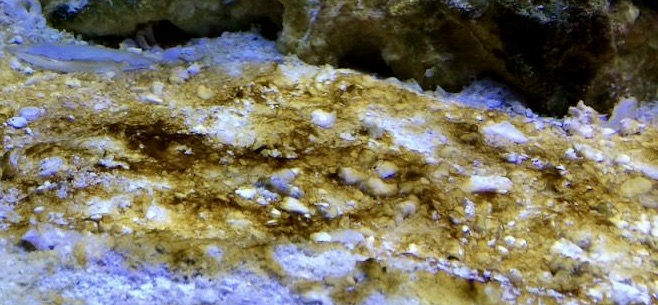
Home Blog Blog post 1 1. 🏷️ Name & Classification Common Name: Dinoflagellates, Dinos Scientific Name: Various species within the phylum Dinoflagellata Type: Unicellular Protists
Read the article →
Pest

Diatom

Home Blog Blog post 1 1. 🏷️ Name & Classification Common Name: Diatoms, Brown Algae, Silica Algae Scientific Name: Bacillariophyceae Type: Unicellular Algae (Photosynthetic Protists)
Read the article →
Algae

Green Slime Algae

Home Blog Blog post 1 1. 🏷️ Name & Classification Common Name: Green Slime Algae Scientific Classification: Cyanobacteria (often Oscillatoria or Lyngbya species) Type: Photosynthetic

Read the article →