Diatom

1. 🏷️ Name & Classification

  • Common Name: Diatoms, Brown Algae, Silica Algae

  • Scientific Name: Bacillariophyceae

  • Type: Unicellular Algae (Photosynthetic Protists)

2. 🔎 Appearance (Description, Color, Shape, Size)

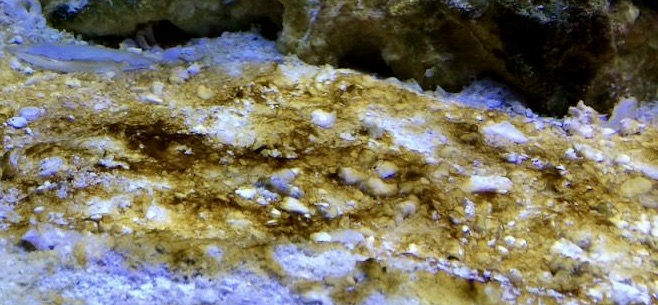
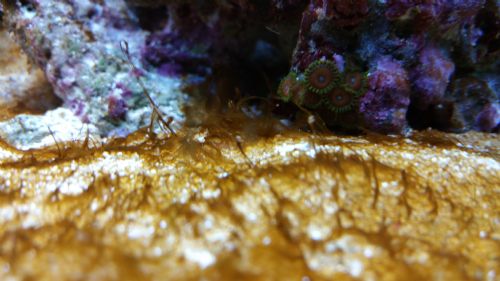
  • Description: Forms a thin, dusty film on surfaces within the aquarium.

  • Color: Light to dark brown, sometimes with a golden hue.

  • Shape: Flat, spreading layers; does not form strands or mats.

  • Size Range: Microscopic; visible as a coating on surfaces.

  • Distinctive Features: Easily wipes off surfaces; often the first visible algae in new tank setups.​

3. 🏝️ Where It’s Found (In the Tank & How It’s Introduced)

  • Typical Location in Aquarium: Commonly appears on glass, substrate, rocks, and decorations.

  • Usual Entry/Trigger:

    • Introduction: Naturally occurs in aquatic environments; introduced via water, air, or equipment.

    • Triggers: High silicate levels, excess nutrients (nitrates and phosphates), and the presence of new surfaces in recently established tanks.​

4. 💥 Impact / Damage

  • What Damage or Negative Effects It Causes:

    • Corals: Generally harmless but can cover and shade corals if left unchecked.

    • Fish/Inverts: Not directly harmful; may affect aesthetic appeal.

    • Aesthetics: Creates an unsightly brown coating on surfaces.

  • Severity: Low; often considered a normal part of the tank maturation process.​

5. 🌱 Reproduction / Spread

  • Method: Asexual reproduction through cell division.

  • Rate/Speed of Growth: Rapid under favorable conditions; can cover surfaces within days.

  • Specific Life Stages: No distinct stages; continuous reproduction cycle.​

6. 🩺 Control / Treatment

  • Manual Removal: Wipe surfaces with a sponge or scraper; siphon substrate during water changes.

  • Chemical Treatments:

    • Silicate Removers: Use of silicate-absorbing media in filters to reduce available silicates.

    • Phosphate Removers: Implement phosphate-absorbing media to limit nutrient availability.

  • Environmental Adjustments:

    • Water Source: Utilize reverse osmosis/deionized (RO/DI) water to minimize silicate and nutrient introduction.

    • Lighting: Maintain appropriate lighting schedules to prevent excessive growth.

    • Flow: Ensure adequate water circulation to discourage accumulation.

  • Difficulty to Eliminate: Low; typically resolves naturally as the tank matures and nutrient levels stabilize.​

7. 🦐 Biological Controls / Predators

  • Known Predators:

    • Snails: Nerite, Trochus, and Cerith snails are effective grazers of diatoms.

    • Copepods: Certain copepod species consume diatoms and contribute to a balanced microbiome.

  • Effectiveness & Considerations: Biological controls can assist in managing diatom populations but are most effective when combined with proper tank maintenance and nutrient control.​

8. 🛡️ Prevention / Quarantine Measures

  • Outside the Tank:

    • Water Quality: Use purified water sources to minimize nutrient introduction.

    • Equipment Sanitation: Clean new equipment and decorations before adding them to the tank.

  • In the Tank:

    • Regular Maintenance: Perform consistent water changes and substrate cleaning.

    • Monitoring: Regularly test water parameters to detect and address nutrient imbalances promptly.​

9. 💡 Additional Notes / Tips

  • Prevention: Maintaining low nutrient levels and using high-quality water sources are key to preventing diatom blooms.

  • Learned Lessons: Diatoms are common in new tanks and often resolve without intervention as the aquarium ecosystem stabilizes.

  • Special Warnings: Avoid overreacting to initial diatom blooms; patience and proper maintenance are usually sufficient for control.​

Looking for more helpful posts?

Pest

Dino

Home Blog Blog post 1 1. 🏷️ Name & Classification Common Name: Dinoflagellates, Dinos Scientific Name: Various species within the phylum Dinoflagellata Type: Unicellular Protists

Read the article →
Pest

Diatom

Home Blog Blog post 1 1. 🏷️ Name & Classification Common Name: Diatoms, Brown Algae, Silica Algae Scientific Name: Bacillariophyceae Type: Unicellular Algae (Photosynthetic Protists)
Read the article →
Algae

Green Slime Algae

Home Blog Blog post 1 1. 🏷️ Name & Classification Common Name: Green Slime Algae Scientific Classification: Cyanobacteria (often Oscillatoria or Lyngbya species) Type: Photosynthetic

Read the article →