Marine Velvet

1. 🏷️ Name & Classification

  • Common Names: Marine Velvet, Gold Dust Disease, Coral Reef Fish Disease

  • Scientific Name: Amyloodinium ocellatum

  • Type: Parasitic Dinoflagellate (Algal Protozoan)

2. 🔎 Appearance (Description, Color, Shape, Size)

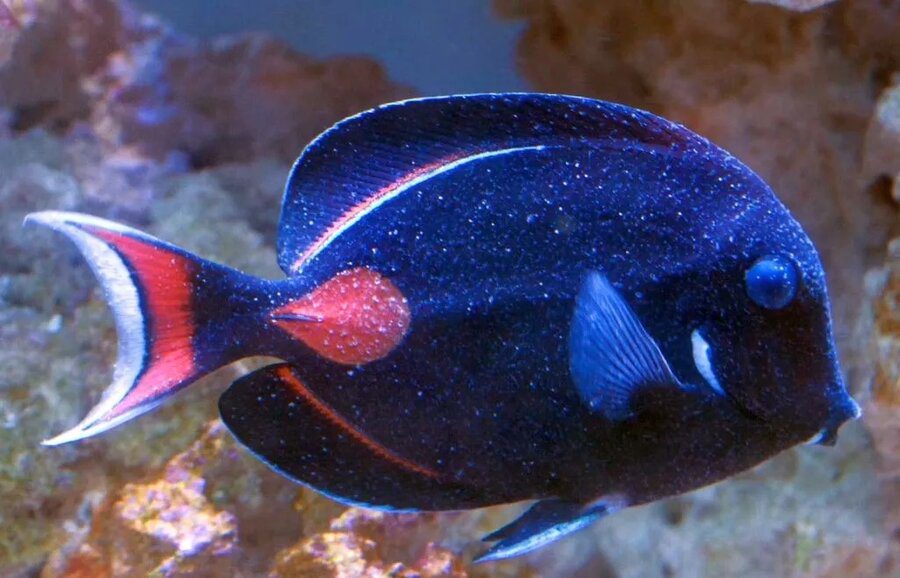
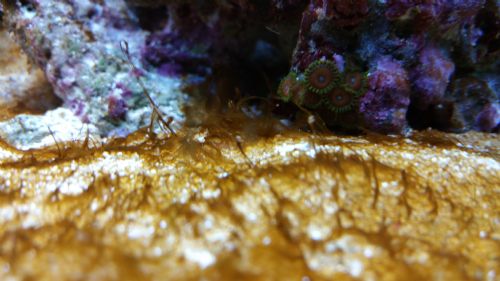
  • Description: Affects marine fish, leading to a dusty or velvety appearance on the skin.

  • Color: Fine yellowish or gold dust-like coating, often difficult to detect on light-colored fish.

  • Shape: Microscopic trophonts that appear as tiny, round spots.

  • Size Range: Trophonts range from 10–80 micrometers in diameter.

  • Distinctive Features: Rapid progression; fish may exhibit heavy breathing, lethargy, and loss of appetite before visible signs appear.

3. 🏝️ Where It’s Found (In the Tank & How It’s Introduced)

  • Typical Location in Aquarium: Initially infects the gills, then spreads to the skin and fins.

  • Usual Entry/Trigger: Introduced via infected fish, contaminated equipment, or water from infested systems. Stress and poor water quality can exacerbate outbreaks.

4. 💥 Impact / Damage

  • What Damage or Negative Effects It Causes:

  • Fish: Respiratory distress due to gill damage, skin irritation, lethargy, and potential death.

  • Aesthetics: Affected fish may display a dusty appearance and abnormal behavior.

  • Severity: High; can cause rapid and widespread mortality if not promptly treated.

5. 🌱 Reproduction / Spread

  • Method: Direct life cycle with three stages: trophont (parasitic stage on fish), tomont (encysted stage in the environment), and dinospore (free-swimming infective stage).

  • Rate/Speed of Growth: Rapid; life cycle can complete in 4–6 days under optimal conditions.

  • Specific Life Stages: Dinospores are the free-swimming stage that infects new hosts.

6. 🩺 Control / Treatment

  • Manual Removal: Not feasible due to microscopic size.

  • Chemical Treatments:

  • Copper-Based Medications: Effective against free-swimming dinospores; requires careful dosing and monitoring.

  • Chloroquine Phosphate: Effective but may be difficult to obtain; requires precise dosing.

  • Environmental Adjustments:

  • Maintain optimal water quality to reduce stress on fish.

  • Implement a fallow period (fishless) in the display tank for at least 6 weeks to ensure all parasites die off.

  • Difficulty to Eliminate: High; requires prompt and aggressive treatment to prevent widespread loss.

7. 🦐 Biological Controls / Predators

  • Known Predators: None known; no biological controls are effective against Amyloodinium ocellatum.

  • Effectiveness & Considerations: Biological control is not a viable option; reliance on chemical treatments and quarantine protocols is necessary.

8. 🛡️ Prevention / Quarantine Measures

  • Outside the Tank:

  • Quarantine all new fish for a minimum of 4 weeks before introducing them to the main display tank.

  • Disinfect equipment between uses to prevent cross-contamination.

  • In the Tank:

  • Regularly monitor fish for early signs of disease.

  • Maintain stable water parameters to reduce stress on fish.

9. 💡 Additional Notes / Tips

  • Prevention: Strict quarantine protocols and maintaining optimal water quality are key to preventing outbreaks.

  • Learned Lessons: Early detection and treatment are critical; delays can lead to rapid and widespread mortality.

  • Special Warnings: Copper treatments are toxic to invertebrates and should only be used in fish-only quarantine systems.


Looking for more helpful posts?

Pest

Dino

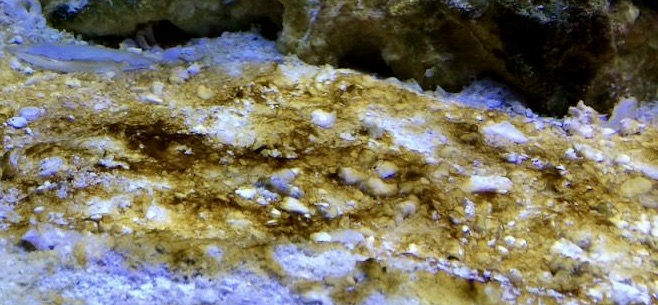
Home Blog Blog post 1 1. 🏷️ Name & Classification Common Name: Dinoflagellates, Dinos Scientific Name: Various species within the phylum Dinoflagellata Type: Unicellular Protists
Read the article →
Pest

Diatom

Home Blog Blog post 1 1. 🏷️ Name & Classification Common Name: Diatoms, Brown Algae, Silica Algae Scientific Name: Bacillariophyceae Type: Unicellular Algae (Photosynthetic Protists)
Read the article →
Algae

Green Slime Algae

Home Blog Blog post 1 1. 🏷️ Name & Classification Common Name: Green Slime Algae Scientific Classification: Cyanobacteria (often Oscillatoria or Lyngbya species) Type: Photosynthetic

Read the article →