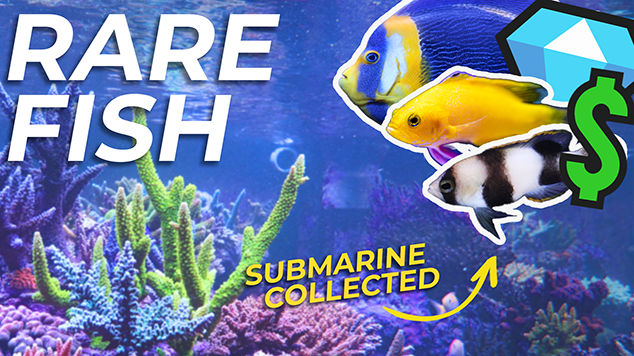
Video of DeJong Marinelife shows Eclusive Insights into State of the Art Nursery!
Home Blog Blog post 1 In this video, I show you around behind the scenes at one of the world’s leading marine wholesalers—DeJong Marinelife! Amazing

Common Name: Marine Ich, Saltwater Ich, White Spot Disease
Scientific Name: Cryptocaryon irritans
Protozoan Parasite
Single-celled ciliated protozoan
Appears as tiny white cysts or bumps on fish skin, fins, and gills
Often compared to grains of salt or sugar
All marine fish, especially tangs, clownfish, and wrasses
Can affect both reef and fish-only systems (though corals/inverts aren’t infected directly)
Cysts on fish: ~0.3 to 0.5 mm (visible to the naked eye)
Trophonts (feeding stage) burrow into tissue
Tomonts (reproductive cysts) can be found on substrate and rocks
High
Lifecycle: ~6–10 days at 25°C (77°F), but varies with temperature
One tomont can release hundreds of free-swimming theronts (infectious stage)
Highly contagious among fish
Spreads through water, nets, fish transfers, even aerosols from splashing
Can spread tank-wide quickly if left untreated
White spots on skin, fins, or eyes
Rapid breathing or gill movement
Scratching (flashing) against rocks or substrate
Lethargy, loss of appetite, hiding
Fin clamping or secondary infections (bacterial)
Stress from poor water quality, aggression, or new tankmates
Sudden temp/salinity changes
Often introduced from unquarantined fish
Strict quarantine of all fish (4–6 weeks minimum)
Freshwater dips and observation before introduction
UV sterilizer may help limit spread (but not eradicate)
Avoid overstocking or mixing aggressive tankmates
In a separate hospital tank only (NOT reef-safe):
Copper treatments (e.g., Cupramine, Copper Power)
Chloroquine phosphate (requires precise dosing)
Hyposalinity (1.009–1.010 SG) for several weeks
Tank transfer method (TTM): Moving fish every 72 hours to prevent reinfection
For display tank:
Fallow period of 6–8 weeks (fish-free) to break parasite lifecycle
Maintain stable conditions and feed fish well during treatment
Good if caught early and treated correctly
Fatal if left untreated, especially in heavily infested systems
Can remain dormant for short periods, then reappear under stress
🔥🔥🔥 Very High in reef systems
Must treat all fish and go fallow in display to fully eradicate
Often confused with Brooklynella or Velvet (Amyloodinium)—both far more aggressive
Do not treat with copper or formalin in your display tank—kills inverts and corals
Can coexist with fish subclinically, but will flare under stress
Home Blog Blog post 1 In this video, I show you around behind the scenes at one of the world’s leading marine wholesalers—DeJong Marinelife! Amazing


Home Blog Blog post 1 1. 🏷️ Name & Classification Common Name: Dinoflagellates, Dinos Scientific Name: Various species within the phylum Dinoflagellata Type: Unicellular Protists
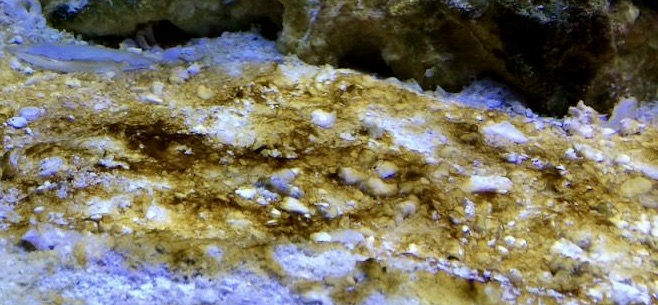
Home Blog Blog post 1 1. 🏷️ Name & Classification Common Name: Diatoms, Brown Algae, Silica Algae Scientific Name: Bacillariophyceae Type: Unicellular Algae (Photosynthetic Protists)