Leopard Flatworm

1. 🏷️ Name & Classification

  • Common Names: Reticulated Flatworm, Leopard Flatworm
  • Scientific Names: Pericelis tectivorum, Pericelis byerleyana
  • Type: Invertebrate Pest (Polyclad Flatworm)

2. 🔎 Appearance (Description, Color, Shape, Size)

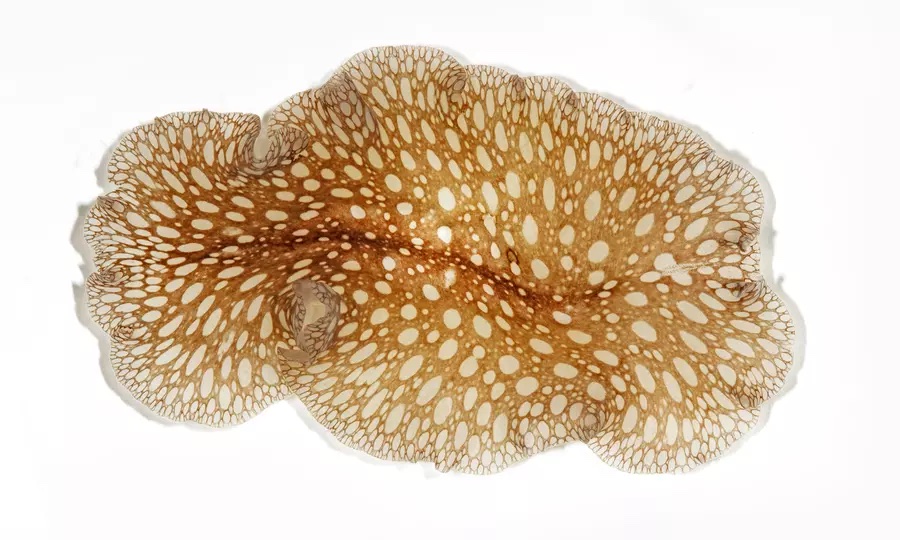
  • Description These flatworms exhibit a flattened, oval body with a distinctive reticulated or leopard-like pattern.
  • Color Typically brown with lighter spots or marbling; coloration may vary based on diet and environment.
  • Shape Broad, flat, and oval-shaped with undulating edge.
  • Size Range Up to 7 cm (approximately 2.76 inches) in length.
  • Distinctive Features Their unique patterning and relatively large size make them stand out among other flatworm species.

3. 🏝️ Where It’s Found (In the Tank & How It’s Introduced)

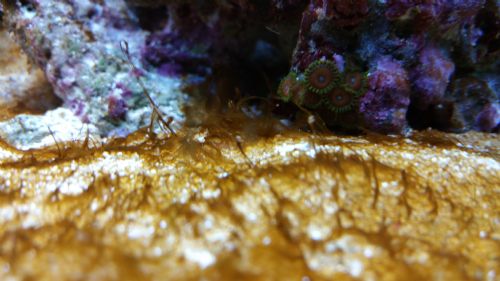
  • *Typical Location in Aquarium: Often found on or under rocks, within the substrate, or hidden in crevices. They are nocturnal and may be observed during night hours.
  • *Usual Entry/Trigger: Commonly introduced via live rock, coral frags, or other marine livestock without proper quarantine procedures.

4. 💥 Impact / Damage

  • What Damage or Negative Effects It Causes:
    • *Fish/Inverts: Predatory behavior primarily targets mollusks, including Tridacna clams, but especially snails.


      *Severity: Moderate to High, depending on the size of the infestation and the value of the snail population in the aquarium.

5. 🌱 Reproduction / Spread

  • Method: Sexual reproduction; they are hermaphroditic but require a mate to reproduce.
  • Rate/Speed of Growth: Slow to moderate. However, due to their elusive nature, populations can grow unnoticed.
  • Specific Life Stage: Eggs are laid in concealed areas; larvae are free-swimming before setting.

6. 🩺 Control / Treatment

  • Manual Removal: Carefully extract using tweezers or siphoning during nocturnal hours when they are active. Ensure complete removal to prevent regeneration.
  • Chemical Treatments: Currently, no reef-safe chemical treatments are proven effective against these flatworms.
  • Environmental Adjustments: Maintaining optimal water quality and reducing excess nutrients can help deter their proliferation.
  • Difficulty to Eliminate: Medium. Due to their size and hiding behavior, consistent monitoring and removal are required.

7. 🦐 Biological Controls / Predators

  • Known Predators: No specific predators are known to target these flatworms exclusively in reef aquaria.
  • Effectiveness & Considerations: Introducing potential predators is not recommended due to the lack of specificity and potential risks to other tank inhabitants.

8. 🛡️ Prevention / Quarantine Measures

  • *Outside the Tank:
    • Thoroughly inspect and quarantine all new live rock, corals, and invertebrates
    • Implement a quarantine period of at least 2–4 weeks for new additions.
  • *In the Tank:
    • Regularly monitor for signs of flatworms, especially during nighttime
    • Maintain a balanced ecosystem to prevent opportunistic infestations.

9. 💡 Additional Notes / Tips

  • Prevention: Quarantine new additions and maintain optimal tank conditions to reduce the risk of infestation.
  • Learned Lessons: Early detection is crucial. Regular nighttime inspections can help identify and address issues promptly.

Special Warnings: While not harmful to humans, always handle with care to prevent potential skin irritation.

Looking for more helpful posts?

Pest

Dino

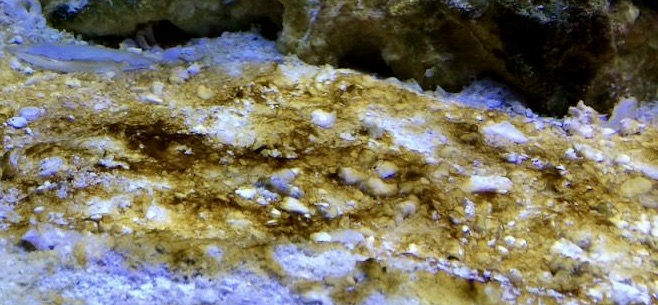
Home Blog Blog post 1 1. 🏷️ Name & Classification Common Name: Dinoflagellates, Dinos Scientific Name: Various species within the phylum Dinoflagellata Type: Unicellular Protists
Read the article →
Pest

Diatom

Home Blog Blog post 1 1. 🏷️ Name & Classification Common Name: Diatoms, Brown Algae, Silica Algae Scientific Name: Bacillariophyceae Type: Unicellular Algae (Photosynthetic Protists)
Read the article →
Algae

Green Slime Algae

Home Blog Blog post 1 1. 🏷️ Name & Classification Common Name: Green Slime Algae Scientific Classification: Cyanobacteria (often Oscillatoria or Lyngbya species) Type: Photosynthetic

Read the article →