Head and Lateral Line Erosion (HLLE)

1. 🏷️ Name & Classification

  • Common Names: Head and Lateral Line Erosion (HLLE), Hole-in-the-Head Disease​
  • Scientific Terminology: Chronic Ulcerative Dermatopathy​
  • Type: Non-infectious skin condition affecting marine fish​

2. 🔎 Appearance (Description, Color, Shape, Size)

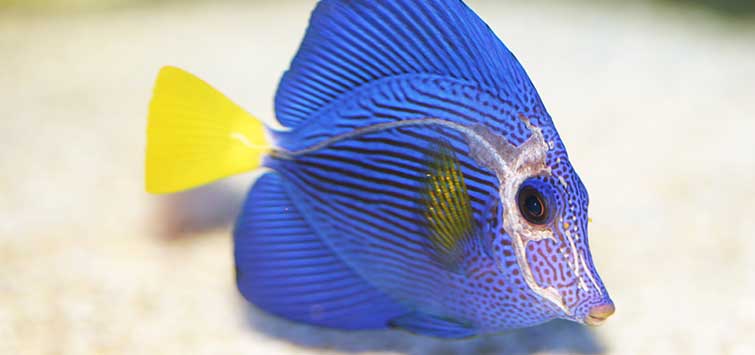
  • Description: Development of small pits or erosions around the head and along the lateral line of the fish.​
  • Color: Affected areas may appear pale or white compared to the surrounding skin.​
  • Shape: Irregularly shaped lesions that can coalesce into larger areas of erosion.​
  • Size Range: Lesions can vary from small pits to extensive erosions covering significant portions of the head and lateral line.​
  • Distinctive Features: Progressive tissue erosion primarily around the head and lateral line, sometimes extending to fins.​

3. 🏝️ Where It’s Found (In the Tank & How It’s Introduced)

  • Typical Location in Aquarium: Affects fish, particularly around the head and lateral line regions.​
  • Usual Entry/Trigger: Not caused by an external pathogen; associated with environmental and husbandry factors within the aquarium.​

4. 💥 Impact / Damage

  • What Damage or Negative Effects It Causes:
    • Fish: Physical disfigurement, potential impairment of sensory functions, and increased susceptibility to secondary infections.​
    • Aesthetics: Visible lesions detract from the visual appeal of affected fish.​
  • Severity: Moderate to high; while not typically fatal, it can lead to chronic health issues and reduced quality of life for the fish.​

5. 🌱 Reproduction / Spread

  • Method: Non-communicable; does not spread between fish through infection.​
  • Rate/Speed of Progression: Varies; lesions can develop and progress over weeks to months if underlying causes are not addressed.​
  • Specific Life Stages: Not applicable; condition affects fish regardless of age or developmental stage.​

6. 🩺 Control / Treatment

  • Manual Removal: Not applicable; involves addressing environmental factors rather than physical removal.​
  • Chemical Treatments: No specific medications; focus is on improving water quality and nutrition.​
  • Environmental Adjustments:
    • Enhance water quality through regular maintenance and monitoring.​
    • Ensure a balanced and nutrient-rich diet, potentially supplemented with vitamins.​
    • Reduce or eliminate the use of certain types of activated carbon, particularly lignite-based, as studies have linked them to HLLE development.
    • Check for and mitigate stray electrical currents in the aquarium.​
  • Difficulty to Eliminate: Moderate; condition can be reversed if caught early and underlying causes are corrected.​

7. 🦐 Biological Controls / Predators

  • Known Predators: Not applicable; HLLE is not caused by a biological agent.​
  • Effectiveness & Considerations: Focus should be on environmental management rather than biological control.​

8. 🛡️ Prevention / Quarantine Measures

  • Outside the Tank:
    • Quarantine new fish to monitor for any signs of stress or disease.​
    • Ensure new equipment is properly installed and does not introduce stray voltage.​
  • In the Tank:
    • Maintain optimal water quality through regular testing and maintenance.​
    • Provide a balanced diet tailored to the specific nutritional needs of the fish species.​
    • Use high-quality activated carbon if necessary, and rinse thoroughly before use.​

9. 💡 Additional Notes / Tips

  • Prevention: Consistent aquarium maintenance and attention to fish health can prevent the onset of HLLE.​
  • Learned Lessons: Early intervention is key; addressing potential causes promptly can halt and even reverse the progression of HLLE.​
  • Special Warnings: While not contagious, the presence of HLLE indicates underlying issues in aquarium management that should be addressed to prevent further health problems.


Looking for more helpful posts?

Pest

Dino

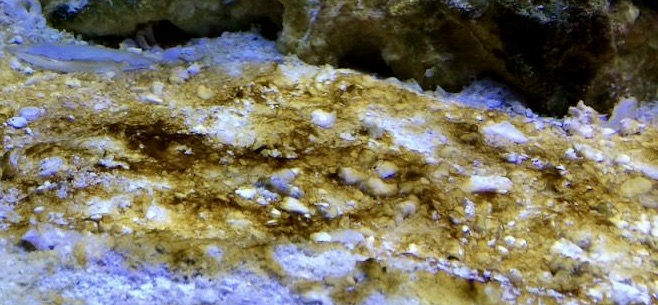
Home Blog Blog post 1 1. 🏷️ Name & Classification Common Name: Dinoflagellates, Dinos Scientific Name: Various species within the phylum Dinoflagellata Type: Unicellular Protists
Read the article →
Pest

Diatom

Home Blog Blog post 1 1. 🏷️ Name & Classification Common Name: Diatoms, Brown Algae, Silica Algae Scientific Name: Bacillariophyceae Type: Unicellular Algae (Photosynthetic Protists)
Read the article →
Algae

Green Slime Algae

Home Blog Blog post 1 1. 🏷️ Name & Classification Common Name: Green Slime Algae Scientific Classification: Cyanobacteria (often Oscillatoria or Lyngbya species) Type: Photosynthetic

Read the article →