Flukes

Picture of PolypAi

PolypAi

Written by a WordPress Warrior | 6 min read
April 14, 2025

1. 🏷️ Name & Classification

  • Common Names: Flukes, Skin Flukes, Gill Flukes

  • Scientific Names: Neobenedenia spp. (skin flukes), Dactylogyrus spp. (gill flukes), Gyrodactylus spp.

  • Type: Parasitic Flatworms (Monogenean Trematodes)​

2. 🔎 Appearance (Description, Color, Shape, Size)

  • Description: Microscopic, flat, and often transparent worms that attach to fish skin or gills.

  • Color: Typically translucent; may appear white or opaque.

  • Shape: Flat, oval or elongated bodies with attachment organs (haptors).

  • Size Range: Approximately 1–5 mm in length.

  • Distinctive Features: may not be visible to the naked eye; detection often requires microscopic examination or observation of symptoms.​

3. 🏝️ Where It’s Found (In the Tank & How It’s Introduced)

  • Typical Location in Aquarium: On fish skin, gills, and fins.

  • Usual Entry/Trigger: Introduced via infected fish, contaminated equipment, or water from infested systems.​

4. 💥 Impact / Damage

  • What Damage or Negative Effects It Causes:

  • Fish: Irritation, excessive mucus production, respiratory distress, secondary infections.

  • Aesthetics: Affected fish may display abnormal behavior and appearance.

  • Severity: Moderate to high; severe infestations can lead to significant morbidity and mortality.​

5. 🌱 Reproduction / Spread

  • Method: Direct life cycle; eggs hatch into free-swimming larvae that infect hosts.

  • Rate/Speed of Growth: Rapid; life cycle can complete in 4–6 days at 78–79°F (25–26°C) .

  • Specific Life Stages: Egg, oncomiracidium (larva), adult.​

6. 🩺 Control / Treatment

  • Manual Removal: Not feasible due to microscopic size.

  • Chemical Treatments:

  • Praziquantel (e.g., PraziPro): Effective against flukes; induces detachment and death over several hours. Safe for many fish species but may affect certain invertebrates .

  • Formalin Baths: Used for severe infestations; requires careful handling due to toxicity.

  • Environmental Adjustments:

  • Maintain optimal water quality to reduce stress on fish.

  • Increase aeration during treatment to compensate for reduced oxygen levels.

  • Difficulty to Eliminate: Moderate; requires prompt and repeated treatments to break the life cycle.​

7. 🦐 Biological Controls / Predators

  • Known Predators: No specific predators; some cleaner fish or shrimp may help reduce parasite load.

  • Effectiveness & Considerations: Biological control is not reliable; should not replace chemical treatments.​

8. 🛡️ Prevention / Quarantine Measures

  • Outside the Tank:

  • Quarantine new fish for at least 4 weeks.

  • Disinfect equipment between uses.

  • In the Tank:

  • Regularly monitor fish for signs of distress.

  • Avoid introducing water from untrusted sources.​

9. 💡 Additional Notes / Tips

  • Prevention: Strict quarantine protocols are essential to prevent introduction.

  • Learned Lessons: Early detection and treatment are critical; delays can lead to widespread infestation.

  • Special Warnings: Some treatments may be harmful to invertebrates; always follow product guidelines and consider moving sensitive species during treatment.


Looking for more helpful posts?

Pest

Dino

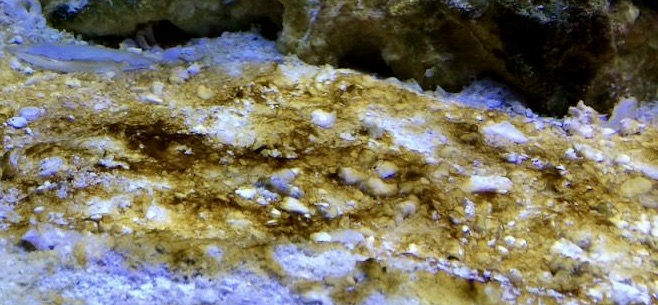
Home Blog Blog post 1 1. 🏷️ Name & Classification Common Name: Dinoflagellates, Dinos Scientific Name: Various species within the phylum Dinoflagellata Type: Unicellular Protists
Read the article →
Pest

Diatom

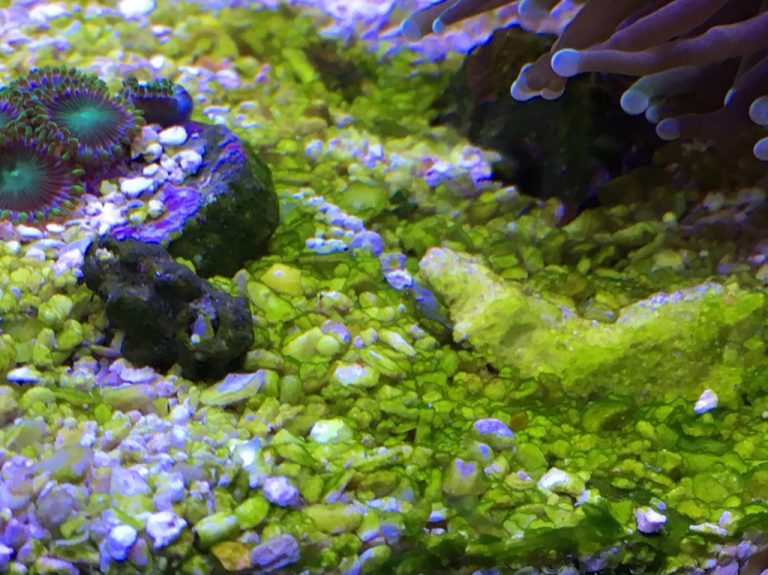
Home Blog Blog post 1 1. 🏷️ Name & Classification Common Name: Diatoms, Brown Algae, Silica Algae Scientific Name: Bacillariophyceae Type: Unicellular Algae (Photosynthetic Protists)
Read the article →
Algae

Green Slime Algae

Home Blog Blog post 1 1. 🏷️ Name & Classification Common Name: Green Slime Algae Scientific Classification: Cyanobacteria (often Oscillatoria or Lyngbya species) Type: Photosynthetic

Read the article →