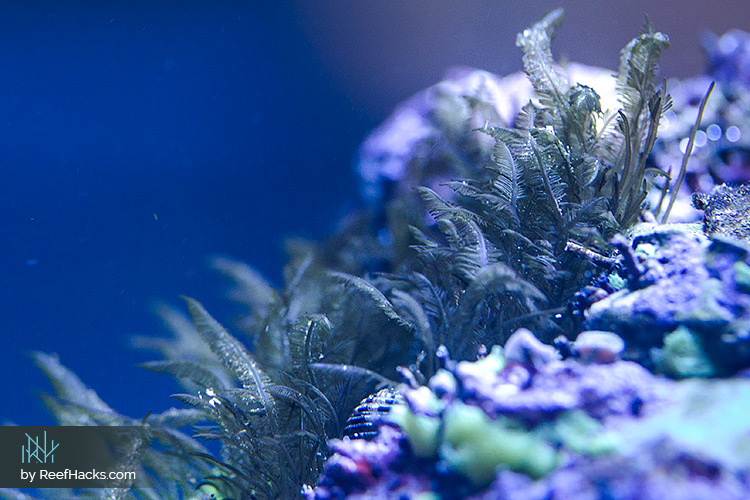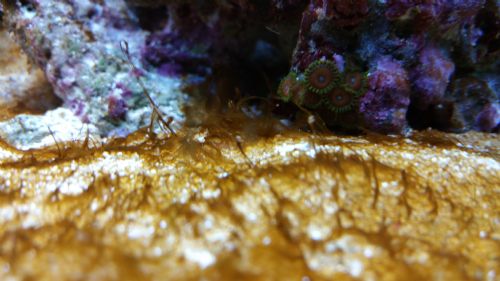
Bryopsis

1. 🏷️ Name & Classification

  • Common Name: Bryopsis

  • Scientific Name: Bryopsis spp. (notably B. pennata and B. plumosa)

  • Type: Green Macroalgae (Chlorophyta)

2. 🔎 Appearance (Description, Color, Shape, Size)

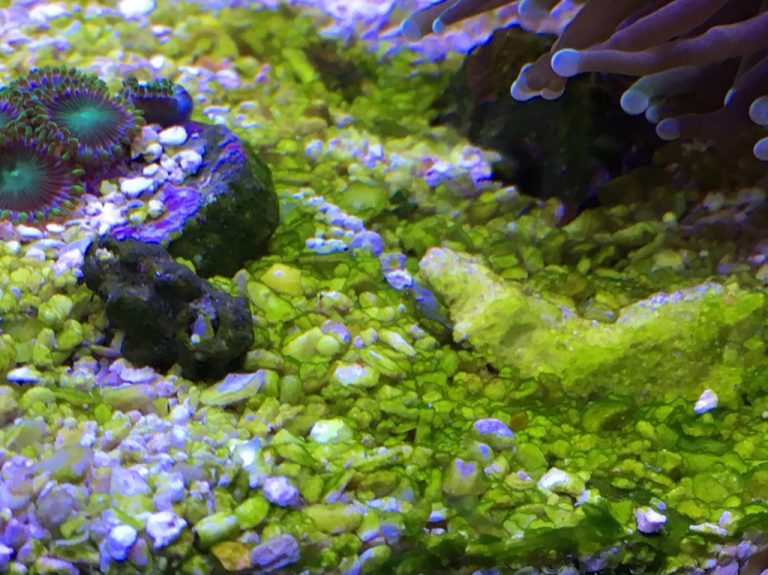
  • Description: Fern-like, branching green algae with fine, feathery fronds.

  • Color: Bright to dark green.

  • Shape: Delicate, feather-like structures resembling miniature ferns.

  • Size Range: Individual fronds can grow up to 4 inches (10 cm) in height.

  • Distinctive Features: Unlike typical hair algae, Bryopsis has a central stalk with symmetrical branching, giving it a plume-like appearance.​

3. 🏝️ Where It’s Found (In the Tank & How It’s Introduced)

  • Typical Location in Aquarium: Commonly attaches to live rocks, coral bases, and tank surfaces exposed to light.

  • Usual Entry/Trigger: Introduced via contaminated live rock, coral frags, or equipment. Proliferation is often triggered by elevated nutrient levels, particularly nitrates and phosphates.​

4. 💥 Impact / Damage

  • What Damage or Negative Effects It Causes:

  • Corals: Can overgrow and smother corals, inhibiting their growth and health.

  • Fish/Inverts: Generally not directly harmful but can alter habitat structures.

  • Aesthetics: Uncontrolled growth leads to unsightly tank appearance.

  • Severity: High; difficult to eradicate once established and can dominate tank surfaces.​

5. 🌱 Reproduction / Spread

  • Method: Reproduces both sexually and asexually through fragmentation; even small remnants can regenerate.

  • Rate/Speed of Growth: Rapid under favorable conditions; can quickly colonize available surfaces.

  • Specific Life Stages: Notably resilient due to its ability to regenerate from single cells.​

6. 🩺 Control / Treatment

  • Manual Removal: Challenging; physical removal often leads to fragmentation, promoting further spread.

  • Chemical Treatments:

  • Fluconazole: An antifungal medication found effective against Bryopsis; disrupts cell membrane synthesis leading to algae death.

  • Elevated Magnesium Levels: Increasing magnesium concentrations (e.g., using Kent Tech M) has been reported to inhibit Bryopsis growth.

  • Environmental Adjustments:

  • Reduce nutrient levels by controlling feeding and improving filtration.

  • Enhance water flow to prevent detritus accumulation.

  • Difficulty to Eliminate: High; requires a multifaceted approach combining chemical, biological, and environmental strategies.​

7. 🦐 Biological Controls / Predators

  • Known Predators:

  • Some reports suggest that certain species of sea hares (Aplysia spp.) and emerald crabs (Mithraculus sculptus) may consume Bryopsis, though effectiveness varies.

  • Effectiveness & Considerations: Biological control is inconsistent; reliance solely on predators is not recommended.​

8. 🛡️ Prevention / Quarantine Measures

  • Outside the Tank:

  • Thoroughly inspect and quarantine new live rock and coral frags before introduction.

  • Clean equipment and tools to prevent cross-contamination between tanks.

  • In the Tank:

  • Maintain optimal water quality with regular testing and water changes.

  • Implement a robust clean-up crew to manage detritus and uneaten food.​

9. 💡 Additional Notes / Tips

  • Prevention: Early detection and intervention are key; monitor tank regularly for signs of Bryopsis.

  • Learned Lessons: Avoid manual removal unless absolutely necessary; fragmentation can exacerbate the problem.

  • Special Warnings: Some treatments, like Fluconazole, may affect beneficial macroalgae; use with caution in tanks housing such species.​


Looking for more helpful posts?

Pest

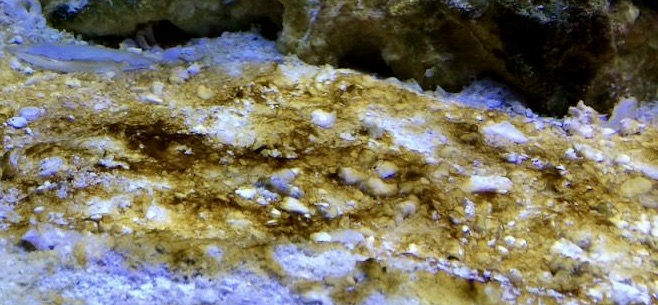
Dino

Home Blog Blog post 1 1. 🏷️ Name & Classification Common Name: Dinoflagellates, Dinos Scientific Name: Various species within the phylum Dinoflagellata Type: Unicellular Protists
Read the article →
Pest

Diatom

Home Blog Blog post 1 1. 🏷️ Name & Classification Common Name: Diatoms, Brown Algae, Silica Algae Scientific Name: Bacillariophyceae Type: Unicellular Algae (Photosynthetic Protists)
Read the article →
Algae

Green Slime Algae

Home Blog Blog post 1 1. 🏷️ Name & Classification Common Name: Green Slime Algae Scientific Classification: Cyanobacteria (often Oscillatoria or Lyngbya species) Type: Photosynthetic

Read the article →