Acropora Eating Flatworm (AEFW)

Picture of PolypAi

PolypAi

Written by a WordPress Warrior | 6 min read
April 3, 2025

🐛 Acropora Eating Flatworm (AEFW)

1. Name/Common Name

  • Common Name: Acropora Eating Flatworm (AEFW)

  • Scientific Name: Prosthiostomum spp. (exact species may vary)

2. Category

  • Invertebrate Pest (Parasitic Flatworm)

3. Description

  • Flat, oval body

  • Beige, tan, or translucent with slight speckling

  • Often undetectable until damage appears

4. What They Affect

  • Primarily Acropora corals (especially smooth-skinned varieties like Acropora valida, A. millepora)

  • Will not affect other SPS/LPS corals or fish

5. Size

  • Adults: ~3–6 mm in length

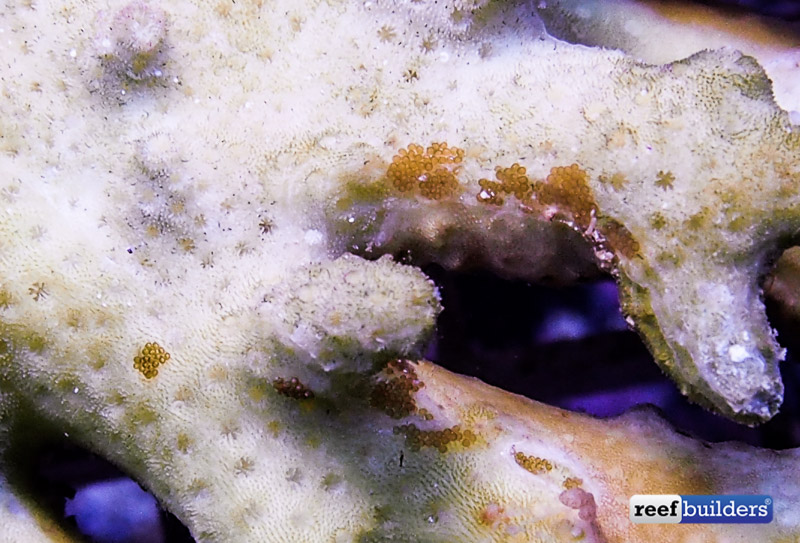
  • Eggs: ~0.5 mm, often laid in spiral or crescent-shaped clusters on dead coral skeleton

6. Reproduction Rate

  • Moderate to high

  • Egg-layers; hatching time ranges from 5–7 days

  • No free-swimming larval stage, but rapid reinfestation is common

7. Contagiousness

  • Very contagious among Acropora colonies

  • Spread via frag swaps, contaminated tools, or coral dips

  • Does not spread to non-Acropora

8. Symptoms/Signs

  • Fading or paling tissue

  • Bite marks or missing flesh, often starting at the base

  • Heavy mucus production

  • Tissue recession

  • Brown flatworms seen detaching during dips

9. Environmental Triggers

  • Often introduced through new coral additions without proper quarantine

  • Thrive in nutrient-rich, high-flow environments but not dependent on them

10. Prevention

  • Strict coral quarantine (minimum 4–6 weeks)

  • Coral dips (e.g., Bayer, Revive) with visual inspection

  • Frag racks in separate systems if possible

11. Treatment Options

  • Coral dips (e.g., Bayer Advanced Insect Killer) to kill adult worms

  • Manual removal of eggs (scraping or fragging affected base)

  • Repeat dips every 5–7 days for 3–4 weeks (to target hatch cycles)

  • Biological control: some wrasses (e.g., Halichoeres melanurus) may eat flatworms but aren’t reliable

  • No in-tank medication is fully effective

  • Remove and frag heavily infested colonies if necessary

12. Prognosis

  • Can be managed and eradicated with persistence

  • High reinfestation risk if eggs are missed

  • Total tank infestation possible if not addressed early

13. Difficulty to Eliminate

  • 🔥 High: due to egg resistance and stealthy adults

  • Requires long-term commitment and sharp observation

14. Additional Notes

  • Often confused with Planaria or Red Flatworms (but AEFW are Acro-specific and more destructive)

  • Look for bite patterns and color loss in affected colonies

  • Use white container for dips to better spot detached worms

Looking for more helpful posts?

Pest

Dino

Home Blog Blog post 1 1. 🏷️ Name & Classification Common Name: Dinoflagellates, Dinos Scientific Name: Various species within the phylum Dinoflagellata Type: Unicellular Protists
Read the article →
Pest

Diatom

Home Blog Blog post 1 1. 🏷️ Name & Classification Common Name: Diatoms, Brown Algae, Silica Algae Scientific Name: Bacillariophyceae Type: Unicellular Algae (Photosynthetic Protists)

Read the article →