Green Slime Algae

1. 🏷️ Name & Classification

  • Common Name: Green Slime Algae

  • Scientific Classification: Cyanobacteria (often Oscillatoria or Lyngbya species)

  • Type: Photosynthetic Bacteria (often misidentified as algae)​

2. 🔎 Appearance (Description, Color, Shape, Size)

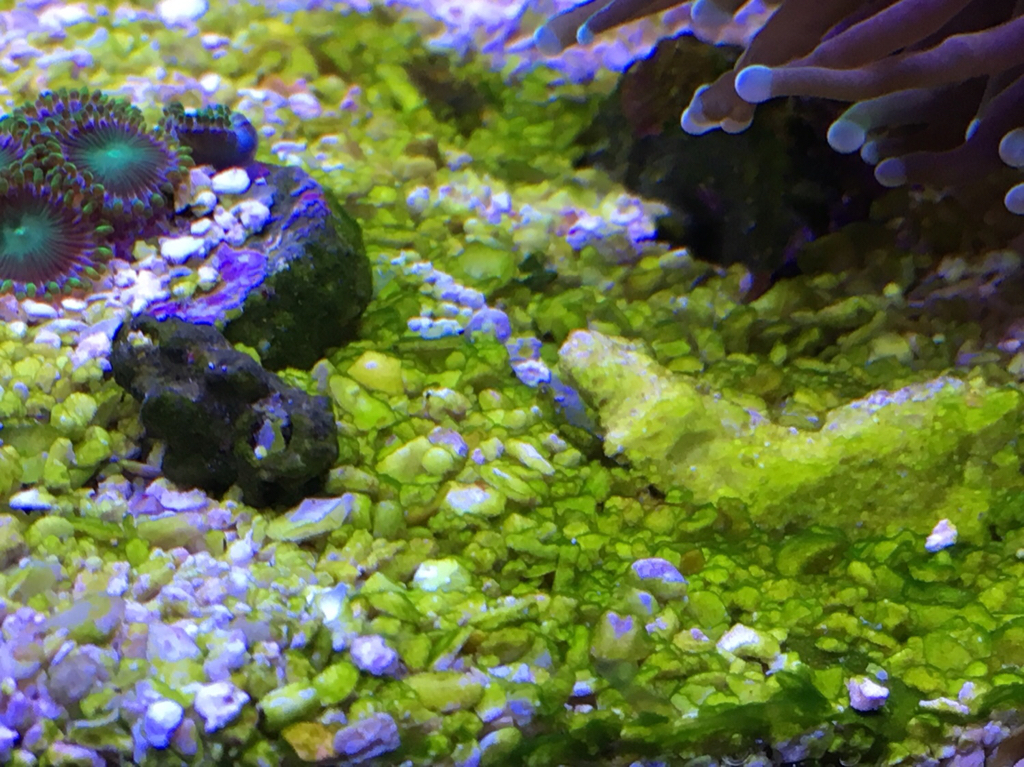
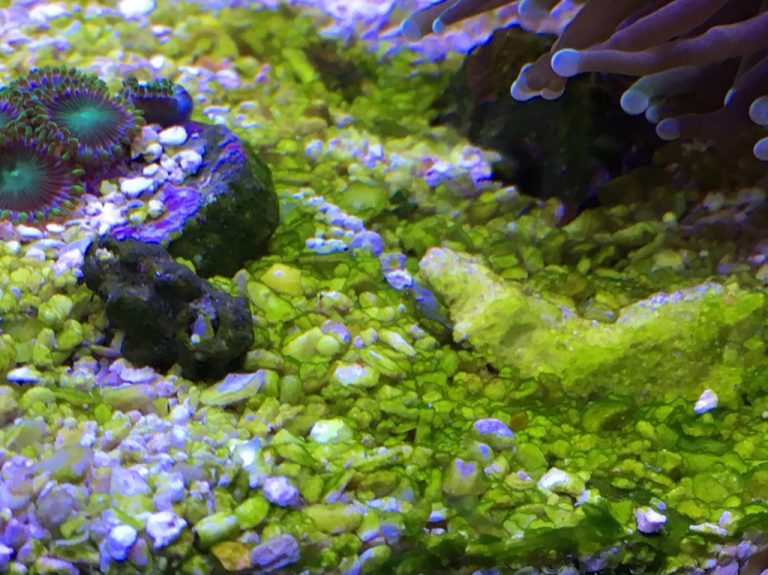
  • Description: Forms slimy, sheet-like mats that can cover substrates, rocks, and corals.

  • Color: Bright to dark green; may exhibit iridescence under certain lighting.

  • Shape: Flat, spreading layers; can develop bubbles due to oxygen production.

  • Size Range: Can cover small patches to extensive areas rapidly.

  • Distinctive Features: Easily detaches from surfaces; emits a distinct earthy or musty odor when disturbed.

3. 🏝️ Where It’s Found (In the Tank & How It’s Introduced)

  • Typical Location in Aquarium: Commonly appears on sand beds, live rocks, and low-flow areas.

  • Usual Entry/Trigger:

  • Introduction: Via contaminated live rock, substrates, or equipment.

  • Triggers: Elevated nutrient levels (nitrates and phosphates), inadequate water flow, and prolonged lighting periods.​

4. 💥 Impact / Damage

  • What Damage or Negative Effects It Causes:

  • Corals: Can smother and outcompete corals for light and nutrients.

  • Fish/Inverts: May produce toxins harmful to fish and invertebrates.

  • Aesthetics: Detracts from the visual appeal of the aquarium.

  • Severity: Moderate to high; rapid proliferation can lead to significant ecological imbalances in the tank.​

5. 🌱 Reproduction / Spread

  • Method: Asexual reproduction through cell division and fragmentation.

  • Rate/Speed of Growth: Rapid under favorable conditions; can double in mass within days.

  • Specific Life Stages: Lacks distinct life stages; continuous growth cycle.​

6. 🩺 Control / Treatment

  • Manual Removal: Siphoning during water changes; use of turkey basters to dislodge mats.

  • Chemical Treatments:

  • Erythromycin-based products: Effective but may disrupt beneficial bacteria; use with caution.

  • Specialized products: Such as Chemiclean; follow manufacturer instructions closely.

  • Environmental Adjustments:

  • Nutrient Control: Reduce feeding; implement phosphate removers.

  • Lighting: Shorten photoperiods; consider a temporary blackout period.

  • Water Flow: Increase circulation to prevent stagnant areas.

  • Difficulty to Eliminate: Moderate; requires a combination of methods and consistent maintenance.

7. 🦐 Biological Controls / Predators

  • Known Predators:

  • Snails: Trochus and Cerith snails may consume cyanobacteria.

  • Fish: Some gobies and blennies might graze on it, though not reliably.

  • Effectiveness & Considerations: Biological controls can assist but are rarely sufficient alone; best used in conjunction with other methods.


8. 🛡️ Prevention / Quarantine Measures

  • Outside the Tank:

  • Quarantine: Isolate new live rock and substrates before introduction.

  • Equipment Sanitation: Clean tools and equipment to prevent cross-contamination.

  • In the Tank:

  • Regular Maintenance: Consistent water changes and substrate cleaning.

  • Monitor Parameters: Keep nitrates and phosphates at optimal levels.

  • Adequate Flow: Ensure all areas of the tank receive sufficient water movement.​


9. 💡 Additional Notes / Tips

  • Prevention: Maintain a balanced nutrient load; avoid overfeeding and overstocking.

  • Learned Lessons: Early detection and intervention are key to preventing widespread outbreaks.

  • Special Warnings: Some cyanobacteria strains can produce toxins; handle with care and avoid direct contact.


Looking for more helpful posts?

Pest

Dino

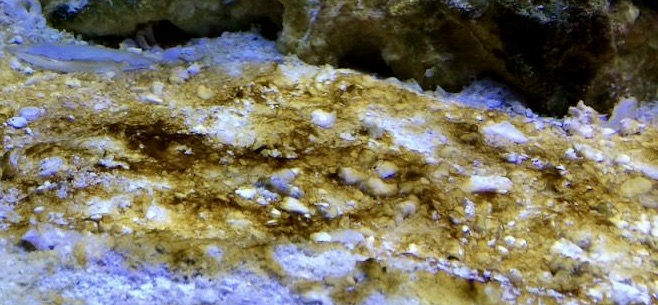
Home Blog Blog post 1 1. 🏷️ Name & Classification Common Name: Dinoflagellates, Dinos Scientific Name: Various species within the phylum Dinoflagellata Type: Unicellular Protists
Read the article →
Pest

Diatom

Home Blog Blog post 1 1. 🏷️ Name & Classification Common Name: Diatoms, Brown Algae, Silica Algae Scientific Name: Bacillariophyceae Type: Unicellular Algae (Photosynthetic Protists)
Read the article →
Algae

Green Slime Algae

Home Blog Blog post 1 1. 🏷️ Name & Classification Common Name: Green Slime Algae Scientific Classification: Cyanobacteria (often Oscillatoria or Lyngbya species) Type: Photosynthetic

Read the article →