Marine Ich

Picture of PolypAi

PolypAi

Written by a WordPress Warrior | 6 min read
April 3, 2025

🦠 Marine Ich (Cryptocaryon irritans)

1. Name/Common Name

  • Common Name: Marine Ich, Saltwater Ich, White Spot Disease

  • Scientific Name: Cryptocaryon irritans

2. Category

  • Protozoan Parasite

3. Description

  • Single-celled ciliated protozoan

  • Appears as tiny white cysts or bumps on fish skin, fins, and gills

  • Often compared to grains of salt or sugar

4. What They Affect

  • All marine fish, especially tangs, clownfish, and wrasses

  • Can affect both reef and fish-only systems (though corals/inverts aren’t infected directly)

5. Size

  • Cysts on fish: ~0.3 to 0.5 mm (visible to the naked eye)

  • Trophonts (feeding stage) burrow into tissue

  • Tomonts (reproductive cysts) can be found on substrate and rocks

6. Reproduction Rate

  • High

  • Lifecycle: ~6–10 days at 25°C (77°F), but varies with temperature

  • One tomont can release hundreds of free-swimming theronts (infectious stage)

7. Contagiousness

  • Highly contagious among fish

  • Spreads through water, nets, fish transfers, even aerosols from splashing

  • Can spread tank-wide quickly if left untreated

8. Symptoms/Signs

  • White spots on skin, fins, or eyes

  • Rapid breathing or gill movement

  • Scratching (flashing) against rocks or substrate

  • Lethargy, loss of appetite, hiding

  • Fin clamping or secondary infections (bacterial)

9. Environmental Triggers

  • Stress from poor water quality, aggression, or new tankmates

  • Sudden temp/salinity changes

  • Often introduced from unquarantined fish

10. Prevention

  • Strict quarantine of all fish (4–6 weeks minimum)

  • Freshwater dips and observation before introduction

  • UV sterilizer may help limit spread (but not eradicate)

  • Avoid overstocking or mixing aggressive tankmates

11. Treatment Options

In a separate hospital tank only (NOT reef-safe):

  • Copper treatments (e.g., Cupramine, Copper Power)

  • Chloroquine phosphate (requires precise dosing)

  • Hyposalinity (1.009–1.010 SG) for several weeks

  • Tank transfer method (TTM): Moving fish every 72 hours to prevent reinfection

For display tank:

  • Fallow period of 6–8 weeks (fish-free) to break parasite lifecycle

  • Maintain stable conditions and feed fish well during treatment

12. Prognosis

  • Good if caught early and treated correctly

  • Fatal if left untreated, especially in heavily infested systems

  • Can remain dormant for short periods, then reappear under stress

13. Difficulty to Eliminate

  • 🔥🔥🔥 Very High in reef systems

  • Must treat all fish and go fallow in display to fully eradicate

14. Additional Notes

  • Often confused with Brooklynella or Velvet (Amyloodinium)—both far more aggressive

  • Do not treat with copper or formalin in your display tank—kills inverts and corals

  • Can coexist with fish subclinically, but will flare under stress

Looking for more helpful posts?

Pest

Dino

Home Blog Blog post 1 1. 🏷️ Name & Classification Common Name: Dinoflagellates, Dinos Scientific Name: Various species within the phylum Dinoflagellata Type: Unicellular Protists
Read the article →
Pest

Diatom

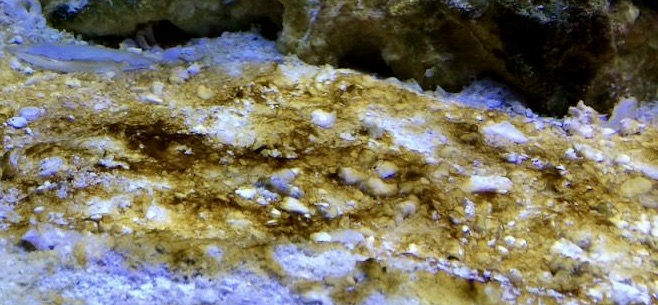
Home Blog Blog post 1 1. 🏷️ Name & Classification Common Name: Diatoms, Brown Algae, Silica Algae Scientific Name: Bacillariophyceae Type: Unicellular Algae (Photosynthetic Protists)

Read the article →