Video of DeJong Marinelife shows Eclusive Insights into State of the Art Nursery!
Home Blog Blog post 1 In this video, I show you around behind the scenes at one of the world’s leading marine wholesalers—DeJong Marinelife! Amazing

Common Name: Montipora Eating Nudibranch (MEN)
Scientific Name: Likely Phestilla spp. (still debated in the hobby)
Invertebrate Pest (Corallivorous Nudibranch)
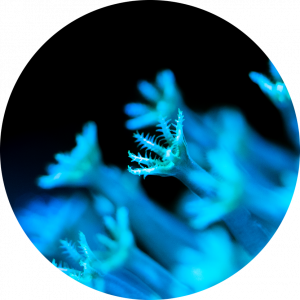
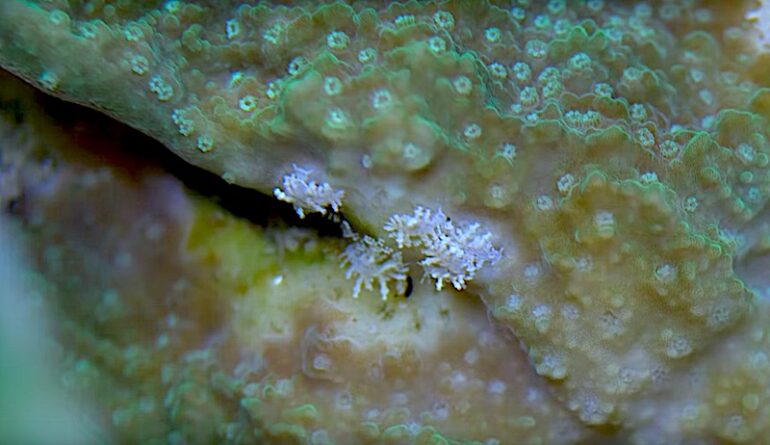
Small, white to translucent nudibranch with branching cerata (feathery appendages on its back)
Often mimics the texture/color of Montipora tissue
Larvae are even more translucent and hard to detect
Montipora species only, especially plating (M. capricornis) and encrusting types
Some preference for lighter-colored Montis
Adults: ~2–4 mm long
Eggs: tiny white spirals, often on undersides or edges of Montipora plates
High
Lays egg spirals daily
Lifecycle: 3–7 days from egg to feeding nudi under optimal conditions
Highly contagious among Montipora species
Spread through frag swaps, coral mounts, or overlooked egg masses
Will not affect Acropora or other SPS
Pale or bleached edges of Montipora
Tissue loss in patches, starting at edges or shadowed areas
Eggs often seen in white spirals on underside
Nudibranchs visible under close inspection or during dips
Introduced via unquarantined frags
Thrive in stable, warm tanks (but can survive dips)
Egg masses can be overlooked, making them persistent
Strict quarantine of all Montipora for at least 4–6 weeks
Visual inspection and dipping (e.g., Lugol’s iodine, CoralRx, Bayer)
Use of frag racks or isolation containers during quarantine
Scrub frag plugs and bases to remove eggs
Frequent dips (every 4–5 days) to kill adults as they hatch
Manually remove eggs between dips (scraping, brushing)
Fragging infected sections can save colonies
Biological control: some wrasses (e.g., Six-line, Melanurus) may eat them, but not reliable
Full removal of infected Montipora may be necessary in advanced cases
Manageable if caught early
Eggs are resistant to dips, so diligence is key
Left untreated, they can wipe out all Montipora in a system
🔥🔥 High: due to small size, egg resilience, and rapid lifecycle
Persistence and observation required over several weeks
Often confused with harmless small nudibranchs or flatworms
Using a turkey baster can blow nudis off the coral for better visibility during inspection
Keeping Montipora separate in a frag tank during treatment helps control spread
Home Blog Blog post 1 In this video, I show you around behind the scenes at one of the world’s leading marine wholesalers—DeJong Marinelife! Amazing


Home Blog Blog post 1 1. 🏷️ Name & Classification Common Name: Dinoflagellates, Dinos Scientific Name: Various species within the phylum Dinoflagellata Type: Unicellular Protists
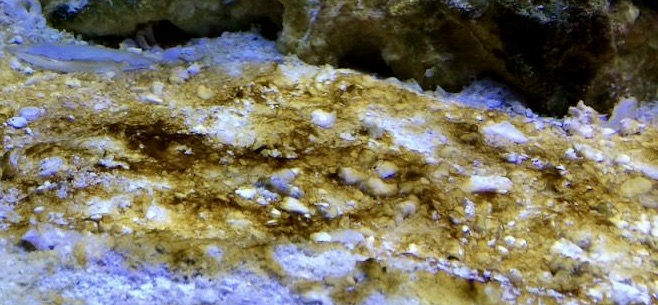
Home Blog Blog post 1 1. 🏷️ Name & Classification Common Name: Diatoms, Brown Algae, Silica Algae Scientific Name: Bacillariophyceae Type: Unicellular Algae (Photosynthetic Protists)