Video of DeJong Marinelife shows Eclusive Insights into State of the Art Nursery!
Home Blog Blog post 1 In this video, I show you around behind the scenes at one of the world’s leading marine wholesalers—DeJong Marinelife! Amazing

Common Name: Acropora Eating Flatworm (AEFW)
Scientific Name: Prosthiostomum spp. (exact species may vary)
Invertebrate Pest (Parasitic Flatworm)
Flat, oval body
Beige, tan, or translucent with slight speckling
Often undetectable until damage appears
Primarily Acropora corals (especially smooth-skinned varieties like Acropora valida, A. millepora)
Will not affect other SPS/LPS corals or fish
Adults: ~3–6 mm in length
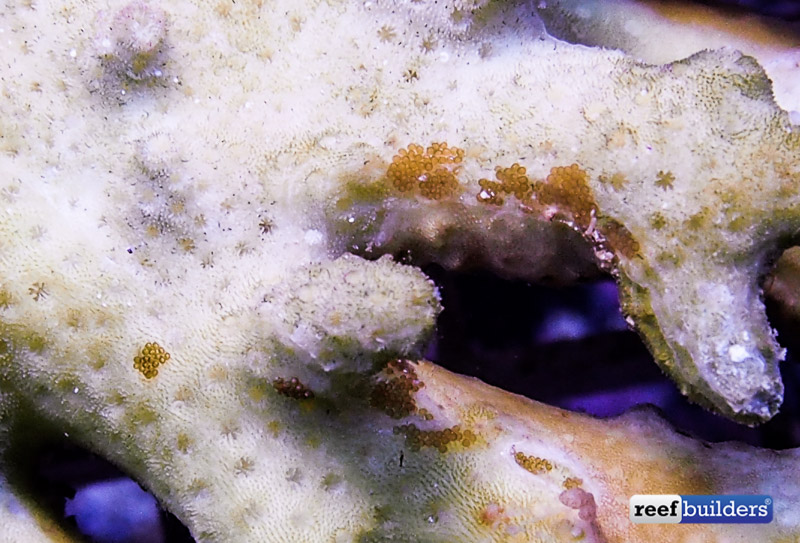
Eggs: ~0.5 mm, often laid in spiral or crescent-shaped clusters on dead coral skeleton
Moderate to high
Egg-layers; hatching time ranges from 5–7 days
No free-swimming larval stage, but rapid reinfestation is common
Very contagious among Acropora colonies
Spread via frag swaps, contaminated tools, or coral dips
Does not spread to non-Acropora
Fading or paling tissue
Bite marks or missing flesh, often starting at the base
Heavy mucus production
Tissue recession
Brown flatworms seen detaching during dips
Often introduced through new coral additions without proper quarantine
Thrive in nutrient-rich, high-flow environments but not dependent on them
Strict coral quarantine (minimum 4–6 weeks)
Coral dips (e.g., Bayer, Revive) with visual inspection
Frag racks in separate systems if possible
Coral dips (e.g., Bayer Advanced Insect Killer) to kill adult worms
Manual removal of eggs (scraping or fragging affected base)
Repeat dips every 5–7 days for 3–4 weeks (to target hatch cycles)
Biological control: some wrasses (e.g., Halichoeres melanurus) may eat flatworms but aren’t reliable
No in-tank medication is fully effective
Remove and frag heavily infested colonies if necessary
Can be managed and eradicated with persistence
High reinfestation risk if eggs are missed
Total tank infestation possible if not addressed early
🔥 High: due to egg resistance and stealthy adults
Requires long-term commitment and sharp observation
Often confused with Planaria or Red Flatworms (but AEFW are Acro-specific and more destructive)
Look for bite patterns and color loss in affected colonies
Use white container for dips to better spot detached worms
Home Blog Blog post 1 In this video, I show you around behind the scenes at one of the world’s leading marine wholesalers—DeJong Marinelife! Amazing


Home Blog Blog post 1 1. 🏷️ Name & Classification Common Name: Dinoflagellates, Dinos Scientific Name: Various species within the phylum Dinoflagellata Type: Unicellular Protists
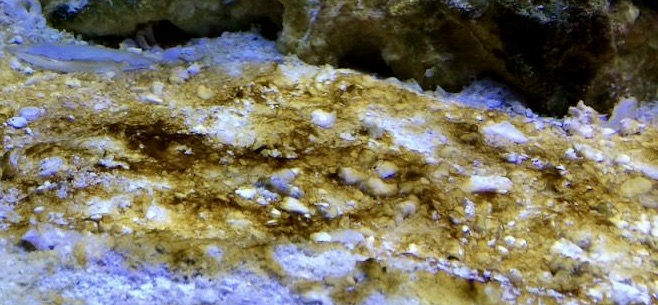
Home Blog Blog post 1 1. 🏷️ Name & Classification Common Name: Diatoms, Brown Algae, Silica Algae Scientific Name: Bacillariophyceae Type: Unicellular Algae (Photosynthetic Protists)